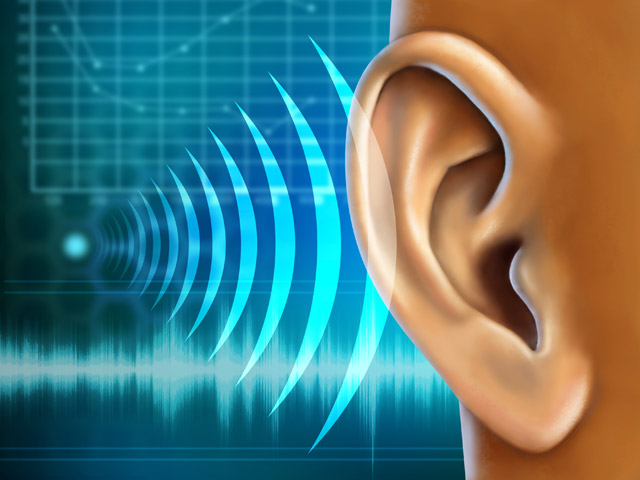
To understand how we control sound, we first need to know what sound is and how it travels. Sound is made when something shakes - called a vibration. This could be a guitar string, a speaker, your voice, or even a door slamming shut. These vibrations - that we call sound waves - push the air around them, making sound waves that travel outwards in all directions.
As sound waves move through the air, they spread out. The farther they travel, the more spread out they become, which is why sounds get quieter the farther away you are. What is happening is that the sound energy is shared over a larger and larger area, so less of it reaches your ears.
When sound waves finally reach your ears, they make tiny parts inside your ear shake, and your brain turns those shaking movements into sounds you can hear.
Sound does not always travel in one direction forever. If sound waves hit hard surfaces like walls, floors, or ceilings, they can bounce back. This is called reflection. Reflection is why you might hear echoes in an empty hall or a tunnel.
Some materials soak up - absorb - sound instead of reflecting it. Soft, squishy, or fluffy materials, like carpets, sofas, curtains, and foam, soak up sound energy because they are full of pockets of air and the sound gets trapped. This makes rooms quieter and reduces echoes. Hard materials, like glass, tiles, and concrete, reflect sound more easily and that is why they make spaces noisier.
Inside our homes, we control sound by choosing the right materials and designs. Thick walls help soak up sound traveling between rooms. Double-glazed windows reduce noise from outside by trapping sound waves between layers of glass. Curtains, rugs, and other kinds of soft furniture soak up sound and make rooms more comfortable and quieter. Even bookshelves filled with books can help reduce noise by breaking up sound waves.
Outside our homes, controlling sound is just as important. This is where we think about noise and noise pollution. Noise pollution is sound that can be annoying or even harmful. Traffic, airplanes, construction, and loud music are common sources of outdoor noise.Loud noise can make it hard to concentrate, or sleep, and in extreme cases it can damage hearing.
To reduce noise outside, people use barriers and smart planning. Sound barriers along roads reflect and absorb traffic noise before it reaches homes. Trees and bushes help too, not by blocking sound completely, but by scattering and absorbing some of it.
Town planners think carefully about where to build roads, factories, and homes so that noisy areas are kept away from quiet places like schools and houses.
People can also control noise by changing what they do. Lowering volumes, using quieter machines, and choosing certain times for noisy activities all help reduce noise pollution. Laws and rules are often used to limit loud sounds at night or in housing areas to protect people’s health and well-being.
So controlling sound in and out of our homes means understanding how sound is made, how it travels, how it reflects, and how it can be absorbed. By using the right materials, designs, and choices, we can keep useful sounds where we want them, and reduce unwanted noise, making our homes and communities calmer and more pleasant places to live.